

Most families make this decision quickly: a health scare, a fall, or a difficult phone call, and then spend months catching up on everything they didn’t plan for. When a parent moves in, the practical questions multiply fast: who handles medical appointments, whose name goes on what paperwork, and whether the spare room is actually safe for someone with limited mobility. Noticing the signs your aging parent needs help at home is often what triggers the conversation, but the real work starts once the decision is made.

When a parent moves in with you, many practical questions arise
Getting Everyone on the Same Page First
Family decisions about a parent’s living situation rarely happen in a vacuum. Siblings may disagree, the parent may resist, and partners need to be genuinely on board, not just politely nodding. Sort the human side before you move a single piece of furniture.
Unresolved expectations are the most common source of tension after a parent moves in. Who is the primary caregiver? What happens when that person needs a break? What are the boundaries around shared space? These questions feel awkward to raise before anything has gone wrong, but they are far harder to negotiate once someone is exhausted and resentful.
How Do You Start the Conversation?
The goal is a shared understanding, not a negotiated contract. Approach it as a planning conversation, not a problem-solving session. The goal is understanding how to raise sensitive topics without triggering defensiveness or shutting the conversation down.
Give the parent agency where possible. Moving into an adult child’s home can feel like a loss of independence even when it is genuinely the right choice. Involving them in decisions about the room layout, daily routine, and house rules makes a real difference to how they settle in.
Preparing the Home for a Parent Moving In
The home itself needs work before anyone arrives. This is not just about accessibility; it is about removing hazards, adding support where needed, and making the space genuinely livable for someone at a different life stage.
Walk through the house room by room with a critical eye. Loose rugs, poor lighting, a bathtub with no grab bar: these are easy to overlook when you live there every day. A simple home safety checklist takes an afternoon and prevents months of worry.
What Changes Does the Space Actually Need?
Start with the basics: bathroom grab bars, non-slip mats, a raised toilet seat, and adequate lighting in hallways and stairwells. If the parent has limited mobility, a ground-floor bedroom eliminates a significant daily risk. Beyond the interior, the structure of the house matters too. While protecting your home with a sound roof and weatherproofing is easy to overlook, water damage and drafts affect indoor air quality and warmth, which matter more for older adults.
Budget for these modifications realistically, because even modest home adaptations can extend the period a senior lives safely and comfortably in a residential setting.
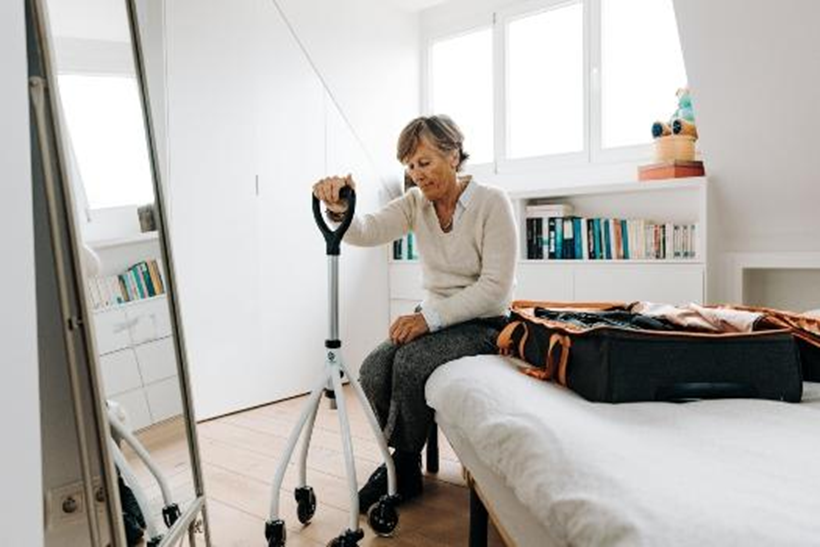
Some home adaptations are always necessary when a parent moves in.
Sorting Out the Care Plan
A parent moving in does not automatically mean the family provides all care. Many families combine home-based professional care with day-to-day family support, and that balance often shifts over time as needs change.
Be honest about what family members can realistically provide. Informal caregiving is demanding. Burnout is common and often invisible until it becomes a crisis. Building outside support into the plan from the start is not giving up: it is sound planning.
What Level of Care Will Your Parent Need?
This depends on the parent’s current health, mobility, cognitive status, and likely trajectory. Understanding where professional support fits and what services are available in Canada. Can help families make the right decisions.
Document care responsibilities clearly. A simple written outline of who does what, medications, appointments, meals, personal care, prevents the invisible labour from falling entirely on one person.
Financial and Legal Arrangements
Money and legal documents are the areas families most often leave too late. Sorting these out before the move avoids scrambling during a health crisis when time and emotion are already stretched.
The financial picture has two sides: what it costs to have a parent in the home, and what support is available. Renovation costs, professional care fees, and changes to household expenses all need to be factored in. Some costs may be partially offset by Canadian caregiver credits or provincial programs.
Which Documents Should Be in Order Before the Move?
At minimum, confirm that a Power of Attorney for personal care and property is current and that someone the parent trusts has access to it. A current will and any advance care directives should be stored somewhere accessible, not just in a safety deposit box no one can open on a weekend.
If these documents don’t exist, now is the right time to work with a notary or lawyer to put them in place. This is not a morbid exercise: it is the clearest form of care planning available.
What to Do in the First Few Weeks
The first month is an adjustment for everyone. Expect friction. Routines will shift, privacy will feel different, and small irritations will surface. This is normal and does not mean the arrangement isn’t working.
Build in a structured check-in: a monthly conversation where everyone says honestly how it is going. The Government of Canada’s caregiving support page outlines federal resources available to family caregivers, including respite programs that provide temporary relief when caregivers need a break.
Give the parent time to settle into a rhythm. Filling every day with activity or check-ins can feel overwhelming. Let quiet and routine develop naturally.

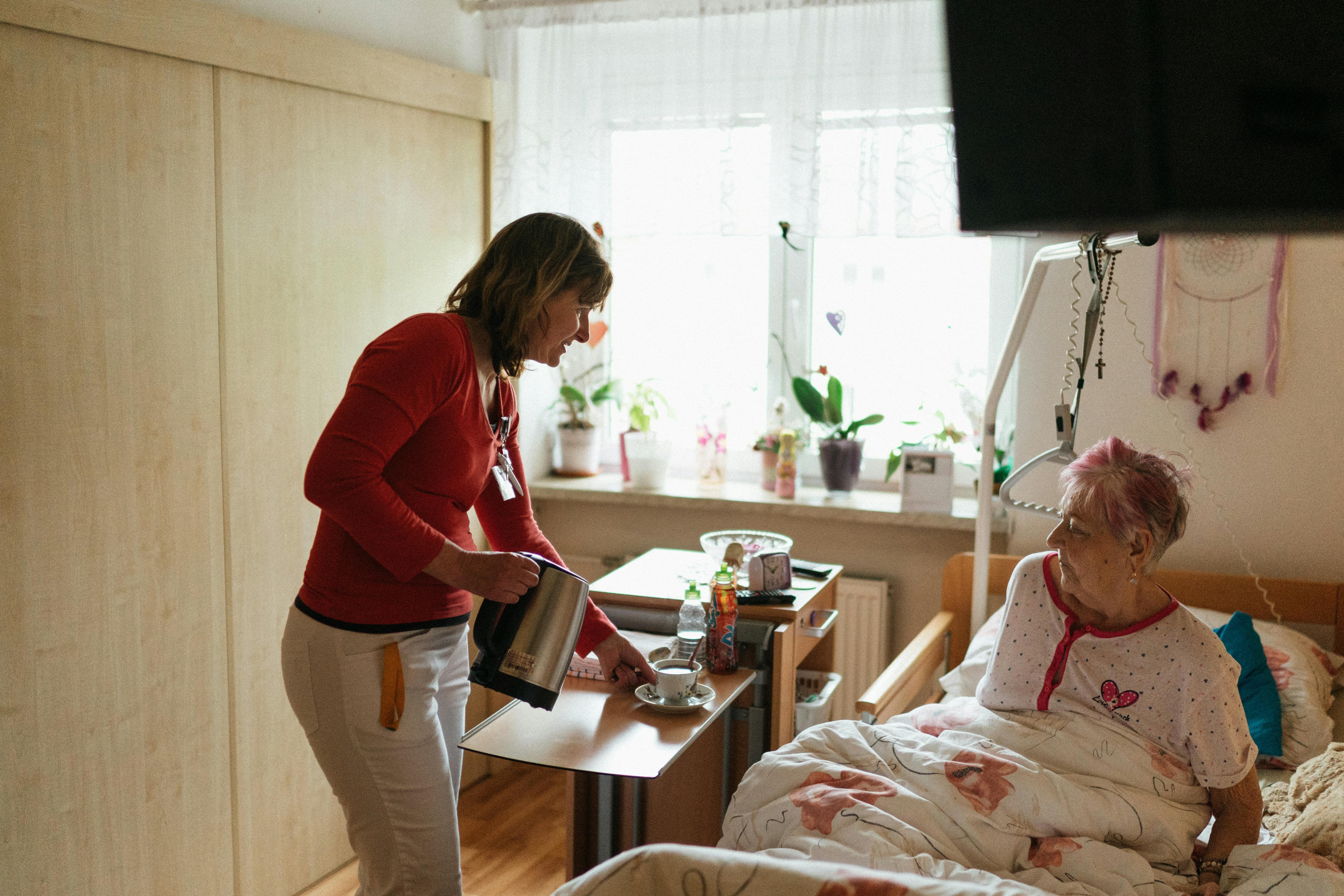
Your parent will need some time to adjust.
Making Space for What Matters Most
The logistics of what families should sort before a parent moves in are real and worth taking seriously, but they exist in service of something more important than paperwork and grab bars. The goal is a living arrangement where the parent feels respected and the family feels sustainable. That takes honest conversations, realistic planning, and a willingness to revisit arrangements as needs change. Start the planning before the crisis, not during it.
Meta: What families should sort before a parent moves in: practical steps on home prep, care planning, and legal arrangements to make the transition smoother.
Keyword: what families should sort before a parent moves in
References:
https://www.canada.ca/en/public-health/services/health-promotion/aging-seniors.html
https://www.caregiver.org/resource/caregiver-statistics-demographics
Images:
https://images.pexels.com/photos/33080796/pexels-photo-33080796.jpeg?

https://images.pexels.com/photos/18459193/pexels-photo-18459193.jpeg?
https://images.pexels.com/photos/5790824/pexels-photo-5790824.jpeg?

https://images.pexels.com/photos/8829211/pexels-photo-8829211.jpeg?

Leave feedback about this
You must be logged in to post a comment.