

Loneliness is a growing challenge among older adults, often overlooked but deeply harmful. Retirement, health struggles, and the loss of loved ones can leave seniors isolated. This isolation affects more than just mood. The impact of loneliness on senior mental health includes higher risks of depression, anxiety, and memory decline. Understanding these effects is vital for families, caregivers, and communities. By raising awareness, we can support seniors in finding meaningful connections that protect emotional and cognitive well-being.
Why Seniors Are More Vulnerable to Loneliness
Older adults face unique challenges that increase feelings of loneliness. Retirement often means fewer daily interactions and less structure. Without workplace connections, many seniors feel cut off from a steady social circle. Health problems can also reduce mobility, making it harder to visit friends or join activities.
The loss of a spouse or close friends is another powerful cause of isolation. Seniors may struggle to rebuild these relationships later in life. Together, these changes create a strong risk of loneliness. Understanding these factors is the first step to supporting seniors and helping them remain socially engaged and emotionally healthy.

Emotional Consequences of Loneliness in Seniors
Loneliness affects seniors on a deep emotional level. It often brings sadness, worry, and low self-worth. Over time, these feelings can become overwhelming. For many older adults, depression is one of the common aging issues linked to ongoing isolation. Without steady support, mild sadness can grow into serious mental health struggles.
Seniors may also experience more anxiety, making them less willing to reach out. This cycle can trap them in further loneliness. Recognizing these emotional effects is important. When families, caregivers, and communities notice the signs, they can step in to provide comfort, reassurance, and opportunities for connection.
Cognitive Health and Loneliness
Loneliness affects more than emotions. It can also weaken thinking and memory. Seniors who spend long periods alone may face faster mental decline. Research shows that social contact helps protect brain function. People who stay engaged have a lower risk of dementia.
Families often look for ways to keep the brain sharp, such as games, reading, or conversation. The impact of loneliness on senior mental health includes higher stress, which can damage brain cells over time. So, supporting seniors with stimulating activities, companionship, and daily interaction not only improves mood but also helps preserve memory, focus, and overall cognitive strength.
Relocation and Its Role in Loneliness
Relocation can bring both relief and new challenges for seniors. Downsizing may free them from heavy upkeep, but it can also create feelings of loss. Moving closer to family often strengthens support, yet adjusting to new routines takes time. Relocating far from familiar surroundings may increase isolation if new social ties are not formed.
Seniors can make the move less stressful by preparing early, exploring the new area, and joining local groups soon after arriving. With thoughtful support, relocation can become an opportunity for renewed connection instead of a source of loneliness or emotional strain.

Physical Health Risks Linked to Loneliness
Loneliness affects the body as much as the mind. Seniors who feel isolated often face higher risks of heart disease and high blood pressure. Stress caused by loneliness can weaken the immune system, resulting in slower recovery from illness. Sleep is also disrupted, leading to fatigue and more health problems.
Studies show that chronic loneliness raises the risk of early death. These physical effects underscore the close connection between emotional well-being and overall health. Supporting seniors with regular interaction and social opportunities is more than comfort. It is an essential part of protecting their physical health and long-term quality of life.
Technology as a Bridge to Connection
Technology can help seniors stay connected even when distance creates barriers. Video calls allow face-to-face interaction with children and grandchildren. Online clubs and interest groups give seniors a chance to share hobbies with others.
The impact of loneliness on senior mental health can be reduced when digital tools are used to create meaningful contact. Still, some seniors may struggle with learning new devices. Offering simple training or user-friendly apps can close this gap. With the right support, technology becomes a valuable tool that helps older adults remain socially engaged, emotionally supported, and less vulnerable to isolation.
The Role of Community Programs
Community programs offer seniors safe and welcoming spaces to connect. Local centers often provide group classes, games, and social events that encourage participation. Faith groups and volunteer circles also give older adults a sense of belonging. Access to transportation is crucial, since many seniors cannot drive.
Programs that include rides or shuttle services help remove barriers to attending events. These opportunities reduce isolation and give seniors regular contact with others. By building friendships and routines through community programs, seniors gain emotional support, renewed purpose, and a stronger connection to the people around them.
Family Support and Daily Interaction
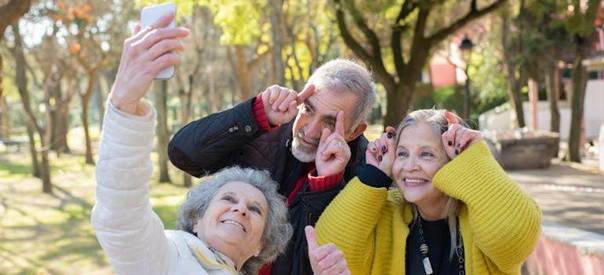
Family support is a powerful shield against loneliness. Regular visits, calls, or even short check-ins remind seniors they are valued and loved. These small gestures reduce isolation and help older adults feel connected. For seniors living alone, having companion care can make daily life safer and more comforting. Simple conversations, shared meals, or walks provide steady social contact.
Family members can also coordinate with neighbours or local groups to ensure ongoing interaction. Consistent attention, whether from relatives or trusted companions, helps seniors maintain emotional balance and lowers the risks that loneliness brings to their mental and physical health.
Practical Coping Strategies for Seniors
Practical steps can help seniors manage loneliness and improve well-being. Simple daily actions create structure and purpose. Activities that bring joy also encourage social contact and reduce isolation. Some effective strategies include:
- Joining a local hobby or craft group.
- Keeping a pet for comfort and companionship.
- Scheduling regular calls or visits with friends.
- Taking short walks or gentle exercise outdoors.
- Volunteering in community projects or charities.
- Creating a daily routine with both tasks and relaxation.
Building Stronger Connections in Later Life
The impact of loneliness on senior mental health is profound, affecting emotions, memory, and physical well-being. Yet it is not inevitable. Families, communities, and seniors themselves can act to reduce isolation. Simple steps—social programs, technology, companionship, and routines—make a difference. By fostering connection and care, seniors can enjoy healthier, happier lives filled with purpose, resilience, and meaningful relationships.
Meta description
Explore the impact of loneliness on senior mental health, its risks, and practical steps to support emotional well-being.
Keywords: impact of loneliness on senior mental health
Photos used:
https://www.pexels.com/photo/three-elderly-people-taking-group-selfie-6838620
https://www.pexels.com/photo/a-group-of-women-doing-a-toast-7561334
https://www.pexels.com/photo/a-woman-wiping-her-tears-8871491
https://www.pexels.com/photo/sad-woman-sitting-on-a-bed-8865467