
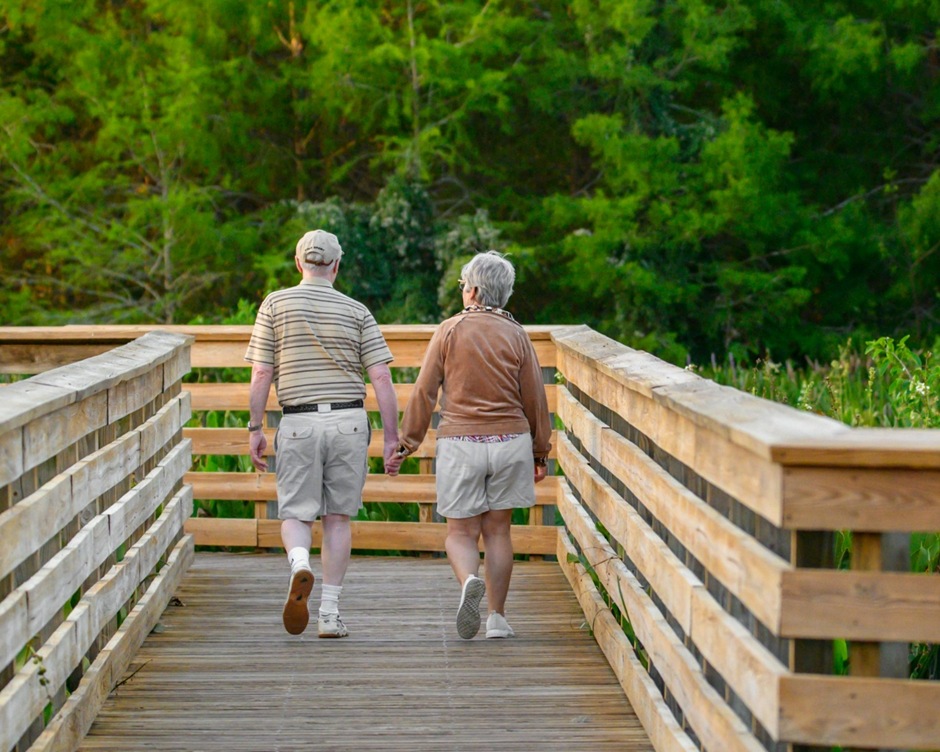
A move to a new city late in life can bring fresh air, fresh streets, and fresh routines. It can also bring confusion. Seniors often carry habits built over decades. A new place may change daily rhythm, social patterns, and even simple tasks such as shopping or greeting neighbors. These changes create cultural adaptation challenges for seniors who settle far from familiar customs. A new city may speak a different language, follow different social rules, or value different traditions. Adjustment takes patience. The process can feel slow, yet it can also open surprising doors. This article explains the cultural shifts seniors often face after relocation. It also explores the quiet strength that helps many older adults adapt and build a stable life again.
The Shock of New Social Norms
Every city runs on silent rules. Residents follow them without much thought. They greet in certain ways. They stand at certain distances and speak with a certain tone. A senior who moves into that setting may notice the difference right away.
For example, some cultures encourage lively talk with strangers. Others keep conversation brief. A senior who grew up with warm street chatter may feel puzzled in a quieter city. The reverse can also happen. A calm person may feel overwhelmed in a lively neighborhood where conversation flows everywhere.
Daily habits also shift. Store hours change. Public transport works in new patterns. Food customs vary. A person may expect a morning bakery visit, yet the local routine may favor late evening meals instead. Small details build pressure over time. The mind must process each difference.
Still, the human brain remains flexible, even in later life. With repeated exposure, many seniors begin to decode the rhythm of their new surroundings.
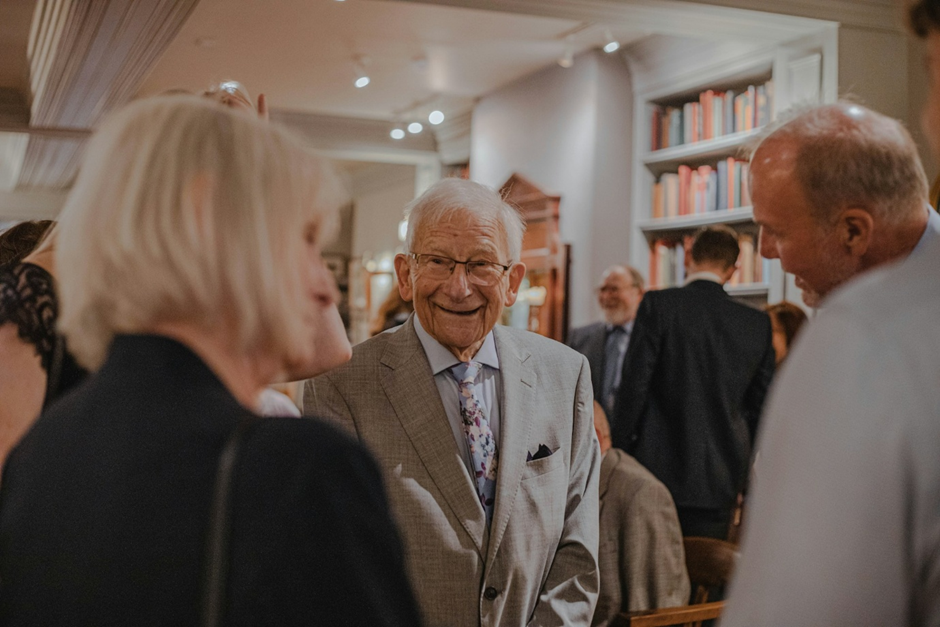
Every culture comes with its own set of social norms.
Planning With Cultural Awareness
Preparation often reduces stress. Seniors who research their future city gain a sense of control. They learn about local traditions, basic phrases, and common behavior in public spaces. That knowledge builds confidence before arrival.
Careful planning helps people map out every step during relocation, especially during international moves for retirees. Preparation may include language lessons, community contacts, and simple practice with local customs. Even small preparation tasks reduce confusion later.
Family members can assist with this stage. A shared plan often improves comfort. A senior who understands the social tone of a new place walks into the change with less surprise.
Language Barriers and Communication Gaps
Language stands at the center of culture. Words carry humor, emotion, and meaning that go far beyond grammar. Seniors who move to a city with a new language often face daily misunderstandings.
A conversation with a doctor may require extra time. A visit to the market may require gestures. Some seniors feel shy about speaking with mistakes. Silence may replace conversation.
This situation affects social life. Without smooth communication, friendships grow slowly. Isolation can appear even in busy neighborhoods.
Yet progress often comes through small practice. A short greeting learned at a local café may start a friendly routine. A neighbor may correct pronunciation with kindness. Each interaction builds a bridge.
Patience matters here. Seniors who practice language in daily situations often gain confidence step by step. Communication improves, and the new culture begins to feel less distant.
Identity and the Sense of Home
A move across cities often shakes a person’s sense of identity. Many seniors hold strong ties to their homeland. Food, music, humor, and social values shape their view of the world. A new city may mirror very little of that history.
This inner tension forms a core part of cultural adaptation challenges for seniors who build a life far from familiar surroundings. The person may ask quiet questions: Where do I belong now? Which traditions should I keep? Which habits should change?
The answer rarely appears in one clear moment. Instead, identity grows through a blend of old and new influences. A senior may cook traditional meals at home while enjoying local dishes outside. They may celebrate old holidays while learning new public festivals.
This blend creates a layered identity. The past stays present, yet the new environment adds color.
Building Social Circles in Later Life
Friendship often grows more slowly in older age. Work once provided daily contact for many people. Retirement removes that steady network. A new city then resets social life to zero.
Seniors may enter neighborhoods where most residents already know each other. Community bonds formed years earlier may feel closed at first glance. That feeling can discourage social effort.
Yet opportunities often exist in unexpected places. Local libraries host reading groups. Parks bring walkers together each morning. Cultural centers welcome newcomers with language events or cooking classes.
A senior who joins these spaces slowly becomes visible. Familiar faces appear again and again. Conversation grows. A new social circle forms through repetition and shared interest.
Human connection still follows simple rules: presence, patience, and kindness.
Technology as a Cultural Bridge
Technology often receives criticism for isolating people. Yet for seniors in new cities, it can serve as a helpful tool. Video calls allow regular contact with relatives across borders. Social platforms connect people with cultural groups from their homeland.
Local community pages also provide valuable information. Seniors may learn about neighborhood events, volunteer programs, or language meetups through these digital spaces.
Of course, technology can confuse some older adults. New devices require learning. Yet many seniors show strong curiosity once they begin. A tablet or smartphone becomes a window into both the old home and the new one.
In this sense, technology acts as a cultural bridge. It connects memory with present experience.

Technology can help seniors maintain contact with their loved ones.
Quiet Resilience in the Adaptation Process
Older adults often carry more resilience than people assume. They have lived through social change, family transitions, and economic shifts. Those life experiences strengthen emotional endurance.
A new city presents another adjustment stage. At first, confusion fills daily routine. Later, patterns appear. The bus route becomes familiar. The market vendor remembers a name. The park bench becomes a regular stop.
These small moments create stability. Life begins to settle again.
Some seniors even describe a sense of renewal after relocation. They rediscover curiosity and observe people with fresh attention. They build habits with intention rather than routine.
The process requires effort, yet it also offers growth.
Conclusion
Relocation during later life introduces many emotional and cultural adjustments. Seniors must learn new social codes, adapt to unfamiliar language, and rebuild their sense of belonging. These shifts create cultural adaptation challenges for seniors, especially for those who settle far from their birthplace.
Yet adaptation rarely follows a straight line. Progress appears through daily practice, gentle curiosity, and social contact. Each conversation, each shared meal, and each local tradition slowly builds a sense of home again. A new city may start as a puzzle. With time and patience, it can become a place of comfort and quiet pride.
Keyphrase: cultural adaptation challenges for seniors
Meta Description: Explore cultural adaptation challenges for seniors moving to new cities and learn how older adults adjust to language, customs, and life.
Images:
https://unsplash.com/photos/a-couple-of-people-that-are-walking-across-a-bridge-IzIERuIwJWo
https://unsplash.com/photos/smiling-man-wearing-suit-standing-beside-man-CD8RhVDern0https://unsplash.com/photos/elderly-man-smiling-while-using-a-tablet-on-couch-lxwUal2xjHk
Leave feedback about this
You must be logged in to post a comment.